Winterize Your Home: Essential Steps for NY & NJ Homeowners
Get your home ready for winter! Our essential checklist covers heating, insulation, pipes & more to prevent damage & save money in NY & NJ.
Steps To Get Your Home Winter Ready
When the cold temperatures and heavy snow of a Northeast winter hit, it’s easy to feel unprepared. For homeowners in New York City, Long Island, and New Jersey, harsh weather brings very real threats: costly heat loss, frozen pipes leading to water damage, and soaring heating costs. Proactively taking steps to get your home winter ready is the most effective way to protect your property, ensure your family’s comfort, and manage your energy budget. This actionable checklist will guide you through the essential tasks to winterize your home and face the season with confidence.
A comprehensive home winter preparation plan addresses both the interior and exterior of your property. It combines simple DIY tasks with an understanding of when to call in professional services for more complex systems. By methodically working through these categories, you transform seasonal anxiety into peace of mind.
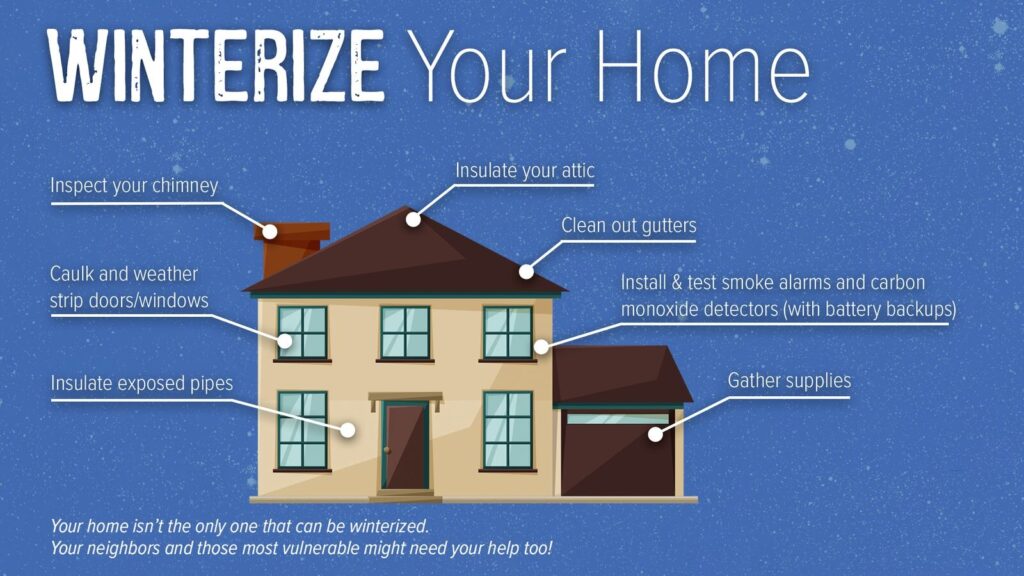
Your Essential Home Winterization Checklist
Follow this room-by-room and system-by-system guide to ensure no critical task is overlooked.
1. Heating System Inspection & Maintenance
Your furnace or boiler is your home’s lifeline in winter. Ensure it runs efficiently and safely.
Schedule a Professional Tune-Up: Hire an HVAC technician to inspect, clean, and service your system. This improves efficiency, prevents mid-winter breakdowns, and ensures safe operation by checking for carbon monoxide leaks.
Replace Your Furnace Filter: A clean filter improves airflow and efficiency. Mark your calendar to check it monthly during heavy use.
Test Your Thermostat: Ensure it accurately reaches the set temperature. Consider upgrading to a programmable or smart thermostat to automate savings.
Check Heat Vents: Make sure furniture, rugs, or drapes are not blocking vents in every room.
2. The Critical Defense: Attic and Wall Insulation
Stopping heat loss is the #1 way to reduce heating costs. According to the U.S. Department of Energy, properly insulating and air sealing your home can save an average of 15% on heating and cooling bills.
Inspect Attic Insulation: Ensure it is evenly distributed and meets the recommended depth (often R-38 or about 12-15 inches of fiberglass). Look for gaps or compression.
Seal Air Leaks: Use caulk or spray foam to seal gaps around light fixtures, plumbing vents, and the attic hatch. These small leaks can significantly impact comfort and costs.
Consider a Professional Assessment: For a whole house energy audit, a professional can use thermal imaging to pinpoint hidden areas of heat loss in walls and ceilings you cannot see.
3. Protect Your Plumbing from Freezing
Frozen pipes that burst can cause catastrophic water damage. Prevention is simple and critical.
Drain and Disconnect Outdoor Faucets: Shut off the indoor valve, drain the outdoor line, and install a faucet cover.
Insulate Vulnerable Pipes: Use foam pipe insulation on any water lines running through unheated spaces like garages, basements, or crawl spaces.
Know Your Main Water Shut-Off: Ensure everyone in the household knows its location in case of an emergency.
Let Faucets Drip: During extreme cold snaps, allow a slight drip from faucets served by vulnerable pipes to keep water moving.
4. Exterior and Structural Preparations
The outside of your home takes the brunt of winter weather. Secure it to protect the interior.
Clean Gutters and Downspouts: Clogged gutters cause ice dams, which force water back under roof shingles and into your home.
Inspect the Roof: Look for damaged, loose, or missing shingles that could leak. Have repairs made before snow accumulates.
Seal Gaps and Cracks: Use weatherproof caulk to seal gaps around window and door frames, where pipes enter the house, and along the foundation. This keeps cold air out and is a key step in your winter home maintenance plan.
Check Storm Windows and Doors: Install them, or ensure existing weatherstripping on windows and doors is intact.
5. Emergency Preparedness Kit
Being ready for a power outage or storm is part of a complete cold weather home prep strategy.
Assemble Supplies: Have flashlights, batteries, a battery-powered radio, non-perishable food, water, blankets, and a first-aid kit ready.
Service Generators: If you have a portable generator, test it and ensure you have fresh fuel stored safely. For standby generators, ensure professional maintenance is up to date.
Chimney and Fireplace Safety: Have your chimney cleaned and inspected by a professional before using your fireplace. Ensure the damper opens and closes properly.
The High Cost of Skipping Winter Prep
Neglecting these steps isn’t just about discomfort. The financial impacts are measurable:
Energy Waste: Gaps in insulation and air sealing can waste hundreds of dollars in escaped heat each winter.
Repair Bills: The cost to repair a burst pipe or roof leak from an ice dam far exceeds the cost of preventative maintenance.
System Failure: A neglected heating system is more likely to fail on the coldest day, requiring an expensive emergency service call or full replacement.
Conclusion: Prepare Now, Relax Later
Taking these steps to get your home winter ready is an investment in your property’s longevity, your family’s safety, and your financial well-being. A weekend spent on these tasks can prevent a season of stress and unexpected expenses. By systematically addressing your heating system, insulation, plumbing, and exterior, you create a resilient home that stands up to whatever a New York or New Jersey winter delivers.
Don’t wait for the first freeze. Begin your home winter preparation today. Walk through your property with this checklist in hand, schedule necessary professional services, and enjoy the confidence that comes from knowing your home is truly ready for the cold months ahead.
Frequently Asked Questions (FAQs)
1. What is the single most important thing I can do to get my home ready for winter?
The most impactful step is to ensure your heating system is professionally serviced and your attic is properly insulated and air-sealed. This directly addresses safety, comfort, and the largest source of potential energy waste.
2. How do I know if my attic has enough insulation?
A simple rule of thumb: if you can see the tops of your attic floor joists, you likely don’t have enough insulation. The recommended level for our climate zone (R-38) is generally about 12-15 inches of fiberglass or cellulose insulation.
3. Can I winterize my home myself, or do I need professionals?
Many tasks are DIY-friendly: cleaning gutters, weatherstripping doors, insulating pipes, and replacing furnace filters. However, hiring professionals for a heating system tune-up, chimney cleaning, roof inspection, or a comprehensive energy audit is highly recommended for safety and effectiveness.
4. When is the best time to start winterizing my home?
Early fall is ideal. This allows you to schedule professional services before their calendars fill up and complete outdoor tasks (like gutter cleaning and exterior repairs) in comfortable weather before the first frost.
5. What is an ice dam, and how can I prevent one?
An ice dam is a ridge of ice that forms at the edge of a roof, preventing melting snow from draining. It can force water under shingles and into your home. Prevention involves keeping your attic cold through proper insulation and ventilation and ensuring gutters are clean.
6. Are smart thermostats worth it for winter energy savings?
Yes. Smart thermostats can automate temperature setbacks when you’re asleep or away, which the Department of Energy states can save up to 10% annually on heating bills. They also provide usage reports and allow for remote control.
8 Descriptions:
steps to get your home winter ready: A comprehensive, room-by-room checklist of actionable tasks homeowners can complete to protect their property, improve efficiency, and ensure safety before the cold season arrives.
winterize your home: The complete process of preparing a residential property for winter weather, including both interior and exterior maintenance tasks aimed at preventing damage and reducing energy consumption.
home winter preparation: Proactive planning and execution of seasonal maintenance activities designed to safeguard a home’s structure, systems, and plumbing from the damaging effects of freezing temperatures and snow.
heat loss: The unwanted transfer of warm indoor air to the outside through poorly insulated walls, attics, and gaps, which is a primary cause of high heating bills and cold drafts during winter months.
heating costs: The expenses associated with running furnaces, boilers, and other heating systems, which can be significantly reduced through preventative maintenance, system upgrades, and improved home insulation.
water damage: Destruction caused to a home’s structure and belongings by water, often resulting from winter-specific issues like burst frozen pipes, ice dam leaks, or faulty heating systems.
winter home maintenance: The routine and seasonal upkeep tasks required to keep a home’s critical systems—including heating, plumbing, and roofing—functioning properly and reliably throughout the winter season.
cold weather home prep: Specific actions taken to fortify a home against extremely low temperatures, focusing on pipe insulation, emergency kits, and ensuring heating systems can meet peak seasonal demand.
6 Descriptions:
Seasonal Home Maintenance: Guides and checklists for homeowners to follow throughout the year, with a focus on preparing properties for upcoming seasonal challenges, from winter freezes to summer heat.
Energy Efficiency Tips: Practical advice and deeper explanations on how to reduce home energy consumption and lower utility bills through smart upgrades, behavioral changes, and professional improvements like insulation.
Homeowner DIY Projects: Step-by-step tutorials for safe, manageable do-it-yourself tasks that improve home functionality, safety, and comfort, such as weatherstripping, basic pipe insulation, and gutter cleaning.
Preventative Home Care: Content focused on proactive maintenance strategies that help avoid costly emergency repairs by identifying and addressing small issues before they become major problems.
New York & New Jersey Home Care: Region-specific advice tailored to the climate, housing styles, and common challenges faced by property owners in the five boroughs, Long Island, and New Jersey.
Winter Preparedness & Safety: Articles centered on ensuring family and property safety during the winter months, covering topics from emergency kits and generator use to preventing ice dams and chimney fires.