How to Hire a Snow Removal Service
Don’t get snowed in! Learn how to hire a reliable, insured snow removal service in NY & NJ. Get our essential checklist for homeowners & businesses.
How to Hire a Snow Removal Service So You Don’t Get Snowed In
Winter in the Northeast transforms the New York City metro area, Long Island, and New Jersey into a landscape that demands proactive property management. For homeowners, contractors, and business owners, a significant snowfall isn’t just an inconvenience—it’s a logistical challenge that can halt operations, create safety hazards, and lead to costly liabilities if sidewalks and driveways aren’t cleared promptly and properly. Hiring a professional snow removal service is a critical seasonal decision, but navigating the options requires careful planning. This guide provides the essential checklist you need to find a reliable snow plow operator and secure a service agreement that guarantees your property remains accessible and safe all winter long.
Selecting the right provider goes beyond a simple online search. It involves verifying credentials, understanding service nuances, and securing a clear contract. A well-chosen commercial snow removal company acts as a partner in winter property maintenance, ensuring compliance with local ordinances and protecting your investment from the season’s harsh elements.
Your Essential Checklist for Hiring a Snow Removal Service
Follow this step-by-step guide to make an informed decision and avoid the common pitfalls that leave property owners stranded after a storm.
1. Understand Service Types and Contract Triggers
First, know what you’re buying. Services are typically structured in two ways:
Per-Visit or Per-Inch: You request service as needed, or the company dispatches a crew once snowfall reaches a pre-agreed depth (e.g., 2 inches). This offers flexibility but risks unavailability during major, widespread storms when demand peaks.
Seasonal Contract: A flat fee covers the entire winter season. The contract must explicitly state the “trigger” depth (e.g., 1 inch, 2 inches) and the expected response time after snow stops falling (e.g., within 12 hours). This option provides predictability and guaranteed service.
Crucial Question to Ask: “What is your specific snow-depth trigger, and what is your guaranteed or typical response time from the end of the snowfall to the start of service?”
2. Verify Insurance, Licensing, and Bonding (Non-Negotiable)
This is the most critical step for your protection. A reputable professional snow removal service must provide proof of the following:
General Liability Insurance: This covers you if their equipment damages your property (e.g., landscaping, pavers, siding) or if a third party is injured due to their work on your premises.
Workers’ Compensation Insurance: This covers their employees should they get injured while working on your property. Without it, you could be held liable for medical costs.
Proper Licensing: Many municipalities require specific business licenses for snow removal operators.
Always request a current Certificate of Insurance (COI) naming you or your business as an “additional insured” for the policy term and verify its authenticity with the insurer.
3. Insist on a Detailed, Written Contract
A handshake agreement is insufficient. A comprehensive snow removal contract protects both parties and should clearly outline:
* Scope of Work: Exact property boundaries, surfaces to be cleared (driveway, walkways, specific sidewalks, parking lots), and areas for snow placement.
* Service Triggers: The exact snowfall depth that initiates service.
* Performance Standards: The time frame for completion after snow stops (e.g., “within 10 hours for residential, within 6 hours for commercial”).
* Pricing & Fees: The total seasonal price, payment schedule, and any fees for extra services like de-icing or clearing after a second storm within a 24-hour period.
* Liability & Dispute Resolution: Clear terms outlining damage procedures and how disputes will be handled.
4. Inquire About Equipment, Materials, and Methods
The company’s operational approach speaks volumes about their professionalism.
Equipment: Do they use commercial-grade, well-maintained plows, snow blowers, and shovels appropriate for your property’s size and surface type (asphalt, concrete, pavers)?
De-Icing Materials: What type of ice melt do they use? Is it pet-safe, plant-safe, and appropriate for your specific surfaces to prevent damage? Proactive ice management is a key component of comprehensive winter care.
5. Research Reputation and Seek Local References
A strong local reputation is a powerful trust signal.
Check Reviews: Analyze feedback on Google Business Profile, Facebook, and local directories like Nextdoor. Look for consistent comments about reliability, punctuality, and communication.
Ask for References: Request 2-3 references from clients with properties similar to yours—whether it’s a single-family home in Westchester, a multi-family building in Queens, or a commercial lot in Bergen County.
The Bigger Picture of Winter Preparedness
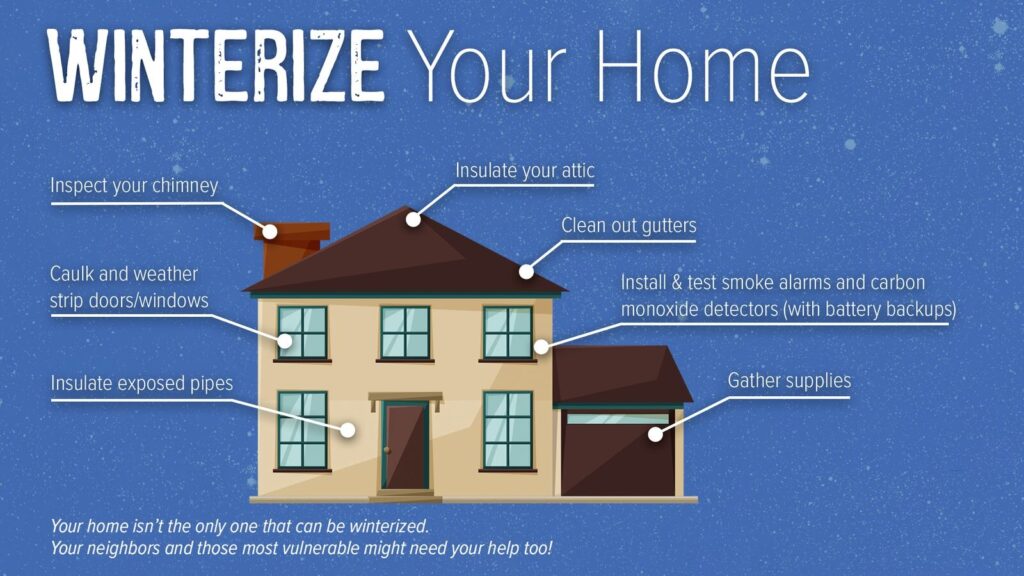
While securing a reliable snow plow service addresses the immediate aftermath of a storm, truly savvy property owners adopt a holistic winter readiness strategy. This includes inspecting roofs and gutters in the fall, ensuring proper drainage away from foundations, and considering how a property’s envelope performs in the cold.
For contractors managing client properties or homeowners investing in long-term value, this comprehensive view is what separates a reactive approach from a proactive, asset-protecting strategy.
Conclusion: Secure Your Winter Peace of Mind
Hiring a professional snow removal service is an investment in safety, accessibility, and convenience. By methodically verifying insurance, scrutinizing the contract, and checking references, you transform this seasonal task from a source of stress into a solved problem. A trustworthy provider becomes a key part of your property management team, ensuring you and your tenants or family are never left snowed in.
Don’t wait for the first forecasted nor’easter to scramble for service. Begin your vetting process this fall. Take the time to interview providers, compare contracts, and choose a partner who demonstrates the professionalism and reliability your property deserves.
hire a snow removal service: A step-by-step guide for property owners on how to properly vet, select, and contract a dependable snow plowing and removal company for the winter season.
professional snow removal service: Detailed information on the standards, credentials, and expectations when hiring a licensed and insured commercial snow removal operation.
winter property maintenance: Essential strategies and services for maintaining property safety, access, and integrity during winter, including snow removal, de-icing, and preventative care.
commercial snow removal company: Specific considerations and requirements for business owners, facility managers, and landlords hiring snow removal services for commercial properties and multi-tenant buildings.
snow removal contract tips: Key elements, clauses, and potential pitfalls to review when negotiating and signing a binding seasonal or per-visit snow removal service agreement.
find a reliable snow plow: Practical steps to locate, screen, and hire a dependable, responsive, and well-equipped snow plow operator for residential driveways or commercial parking areas.
comprehensive winter care: A holistic approach to seasonal property management that combines immediate snow removal with broader preparedness and maintenance planning.
winter readiness: The proactive steps property owners should take to prepare for winter weather, including securing service contracts and ensuring physical assets are protected.
Recommended Blog Categories & Descriptions:
Winter Preparedness Guides: Actionable, seasonal articles focused on helping homeowners and property managers in the NY/NJ area plan for and manage winter weather effectively, from storms to freezing temperatures.
Property Maintenance Solutions: Expert content covering essential maintenance and servicing needs for residential and commercial properties throughout the year, emphasizing proactive care and vendor selection.
Service Contracting Advice: Practical guides and checklists designed to help readers wisely select, vet, and hire qualified professionals for various home, building, and property services.
New York & New Jersey Property Care: Region-specific advice addressing the unique climate, regulatory, and maintenance challenges faced by property owners in the five boroughs, Long Island, and New Jersey.
Commercial Facility Management: Insights and best practices for business owners, landlords, and contractors managing the upkeep, safety, and operational readiness of commercial and industrial properties.
Seasonal Homeowner Tips: A collection of guides and articles tailored to homeowners, offering advice on managing a home through different seasons, with a focus on practical solutions and planning.
Frequently Asked Questions (FAQs)
1. When is the best time to book a snow removal service for the winter?
The ideal time is in early fall, before Halloween. Reputable companies have limited capacity and their seasonal contract slots fill quickly. Waiting until the first snow is forecast often means fewer choices and potentially higher per-visit rates.
2. What is the most important thing to look for in a snow removal company?
Valid and sufficient insurance is the absolute top priority. General Liability and Workers’ Compensation insurance protect you from significant financial liability in case of property damage or worker injury. Always request and verify a Certificate of Insurance.
3. What should a snow removal contract explicitly include?
A robust contract must specify: the exact property address/service areas, the snow depth that triggers service, the maximum time to complete work after snow stops, the total cost and payment schedule, where snow will be piled, and the type of de-icing materials used.
4. What’s the difference between “snow plowing” and “snow removal”?
“Plowing” typically means pushing snow to the perimeter of an area like a driveway or lot. “Removal” often implies physically hauling the snow away from the site, which is crucial for properties with limited space for snow piles. Ensure your contract specifies which service is provided.
5. Am I liable if someone slips on my sidewalk after my snow removal company has cleared it?
Potentially, yes. Property owners generally have a duty to maintain safe premises. If your contractor applies insufficient ice melt or does a negligent job, you could still be held liable. This is why hiring an insured, professional service and having a clear contract is vital for risk management.
6. How are seasonal contracts typically priced?
Pricing is usually based on a flat fee for the winter season, calculated from factors like the size and type of surfaces to clear (linear feet of sidewalk, square footage of pavement), the expected frequency of service, and geographic location. Some may offer per-inch or per-push pricing as alternatives.